International consulting firm · Our expertise, put to work on your project

Open a new market.
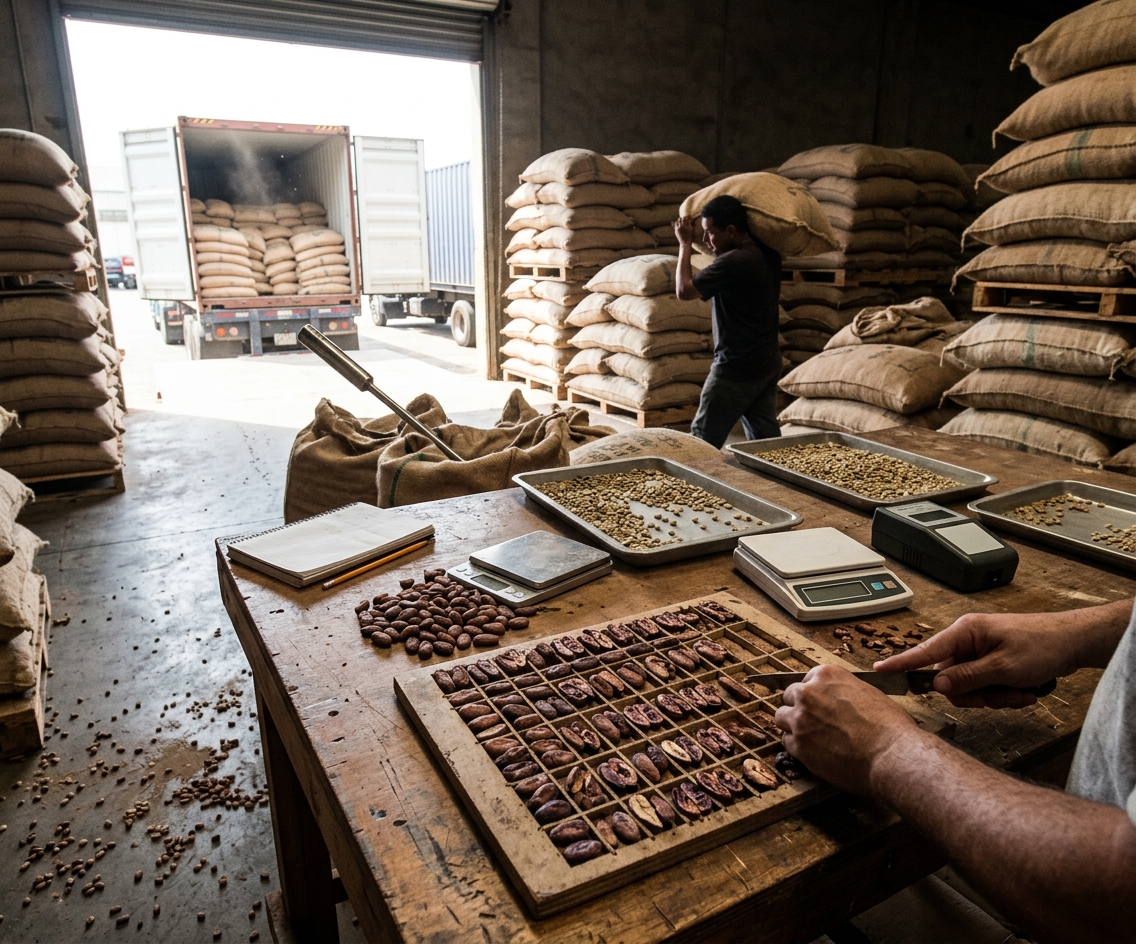
Secure your supply chain.

Whatever your project, we support you from network development to financing.

An approach built around your needs, not a catalog of services.

International markets.

Sourcing.

Project financing strategy.

Six areas of expertise, one standard for results.

01

International market development

Exporting or importing goes further with the right people on the ground. Targeted market research, an entry strategy tailored to local conditions and partnerships formed on site, to reach new markets in either direction.

02

Sourcing

A solid supply chain takes method and a network. Structuring and securing supply for specific needs: raw and processed materials, or specialized equipment.

03

Project financing strategy

A good project deserves financing to match. Interim financing, help securing credit insurance, complex international financing structures.

04

Strategic advisory for businesses

Growth or transformation works best when it starts from a clear diagnosis. Organizational diagnosis, turnaround, growth, digital transformation and AI integration, mergers and acquisitions.

05

International development and institutional support

A program is stronger with dedicated technical assistance behind it. Support for governments, donors and NGOs, from design through implementation and evaluation.

06

Training and organizational development

Custom training and change management, so that skills follow strategy rather than the reverse, including support for teams that need to deliver a digital transformation with AI.

Our approach

A network built market by market, over 25 years.

An international engagement is only as good as the access available on the ground and the experience of the people leading it.

Before tying up capital and time: find out whether the market really exists, and whether the organization is ready to enter it.

Validate the market

Identify potential partners

Choose the entry route

Assess internal capacity

Check financial strength

Set the course

What we do, by stage of the engagement

Before committing

Before tying up capital and time: find out whether the market really exists, and whether the organization is ready to enter it.

  • Validate the market
  • Identify potential partners
  • Choose the entry route
  • Assess internal capacity
  • Check financial strength
  • Set the course

Gain access

Find the right people on the ground, establish a presence, and secure what needs securing before producing or selling.

  • Activate the network
  • Set up locally
  • Qualify suppliers
  • Secure supply
  • Structure governance
  • Gain recognition

Finance

Make the project bankable, then raise capital from those who hold it, without ever being the lender or the insurer.

  • Structure the financing
  • Put guarantees in place
  • Bridge the gap
  • Reduce exposure
  • Negotiate terms
  • Unlock capital

Lead and sustain

Carry the engagement through to first results, and make sure the organization can sustain what follows on its own.

  • Restore performance
  • Close the deal
  • Deploy AI
  • Transfer know-how
  • Build buy-in
  • Prove impact

What sets us apart

Access that can't be improvised

Partners, authorities and first customers: these relationships have been built market by market, on five continents, since 2000. They are not rebuilt from scratch for each engagement.

What sets us apart

Ground known to be difficult

We work in environments where large international organizations have struggled to establish themselves. There, long-standing local relationships and knowledge of the ground decide the outcome of an engagement more than the resources deployed.

How an engagement works

One point of contact throughout

Engagements are led by the partners. Responsibility does not change hands between designing the approach, carrying it out on the ground and reporting on the results.

How an engagement works

A commitment validated step by step

The engagement moves forward in phases (validate the market, gain access, structure the financing, then lead), each one a condition for entering the next. Nothing commits the organization beyond what has already been validated.

The experience we bring

Senior managers, whatever your project

Our engagements are handled by managers who have held leadership roles across several functions of a business. That is what lets them tackle an assignment from any angle and name the real problem rather than the one they know best.

In international business, finding the market is rarely the hardest part. Getting into it almost always is.

A project in mind, or a decision to make before you commit?

Discuss your project

Seven markets, each with its own development logic.

01 / 07

The seven markets

  1. North America. The continent is retooling its industrial base: electric mobility, clean energy, defense. +34.6%: Growth in the number of public charging stations in the United States, 2024 → 2025. +8.4%: Growth in US imports of industrial machinery, 2025 and Q1 2026. CAGR 33.78%: US photovoltaic market, 2026 to 2034, structurally dependent on imported inverters and cells. CAGR 8.41%: US logistics automation market, 2026 to 2034, an expanding import sector.
  2. South America. The new center of gravity for energy transition minerals. US$7.2B → 9.0B: Imported mining equipment market, 2025 → 2030. US$20.4B: Chile's copper exports, 2025. 25 to 40%: Mining capital absorbed by underground ventilation, largely imported. +20.6%: Year-over-year growth in Peru's metal mining exports.
  3. Europe. The market opened by Canada's most generous trade agreement, already driven by its SMEs. +76%: Growth in goods trade between Canada and the EU since CETA's provisional application, reaching US$81.5B in 2025. +62%: Growth in European goods exports to Canada since CETA, 2016 to 2025 (US$29.6B → 48.8B). +97%: Growth in Canadian services trade to the EU since CETA's provisional application in 2017. 99%: Tariff lines free of customs duties between Canada and the EU under CETA.
  4. Asia. Southeast Asia is becoming a hub for assembling electric vehicles and solar panels. 85% → 55-60%: Imported share of critical battery materials, 2026 → 2035 target. +13.1%: Average growth in Canadian SME exports after a trade agreement such as the CPTPP takes effect. +38%: Growth in merchandise trade between Canada and Asia-Pacific since CPTPP ratification, driven by consumer goods and industrial machinery, not raw materials. US$185M → 500M+: Indonesian solar panel exports, 2022 → 2024.
  5. Francophone Africa. Local processing is becoming industrial policy: agri-food, electric mobility, forest products. +77%: Growth in global construction machinery exports to Africa, early 2026. US$8.35B → 13.13B: Construction equipment market in Africa and the Middle East, 2025 → 2031. +40%: Targeted gain in export revenue, agro-processing. +7.1%: Annual growth of the construction market, 2026-2031.
  6. East and Southern Africa. From raw extraction to local processing (solar, wind, green hydrogen), also driven by the rise of safari tourism. +44%: Year-over-year growth in Kenyan imports of machinery and capital goods (Q3 2025). US$10B+: Solar and wind project financing received by Africa (main projects: Egypt, South Africa, Zimbabwe). 3 GW: Solar installed in a single year, a first for South Africa. +13%: Growth in Tanzania's tourism revenue, driven by high-end safari tourism and Zanzibar, 2025.
  7. Middle East. The Gulf is buying its diversification: a technical partner, not an exporter. 85%: Food imported into the Gulf. CAGR 6.73%: Medical device market in the Gulf, 2026 to 2035 (US$9.0B → 16.2B). 65%: Machinery and electrical equipment imported into the Gulf. US$1,300B+: Real estate and infrastructure projects under Vision 2030.

We work with clients in every sector.

Some of the sectors our clients work in.

Industrial machinery and pumps

Hospitality and tourism

Real estate

Import and export

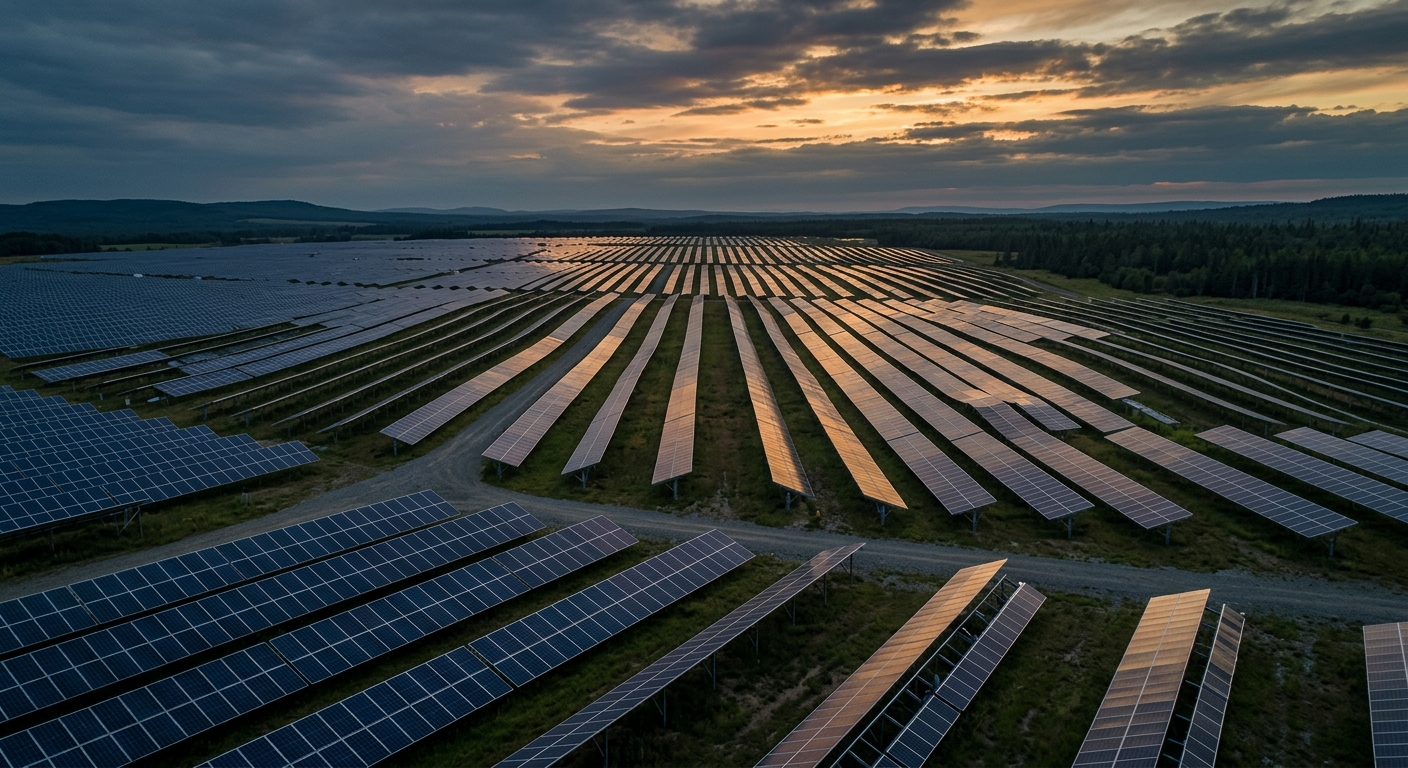
Renewable energy

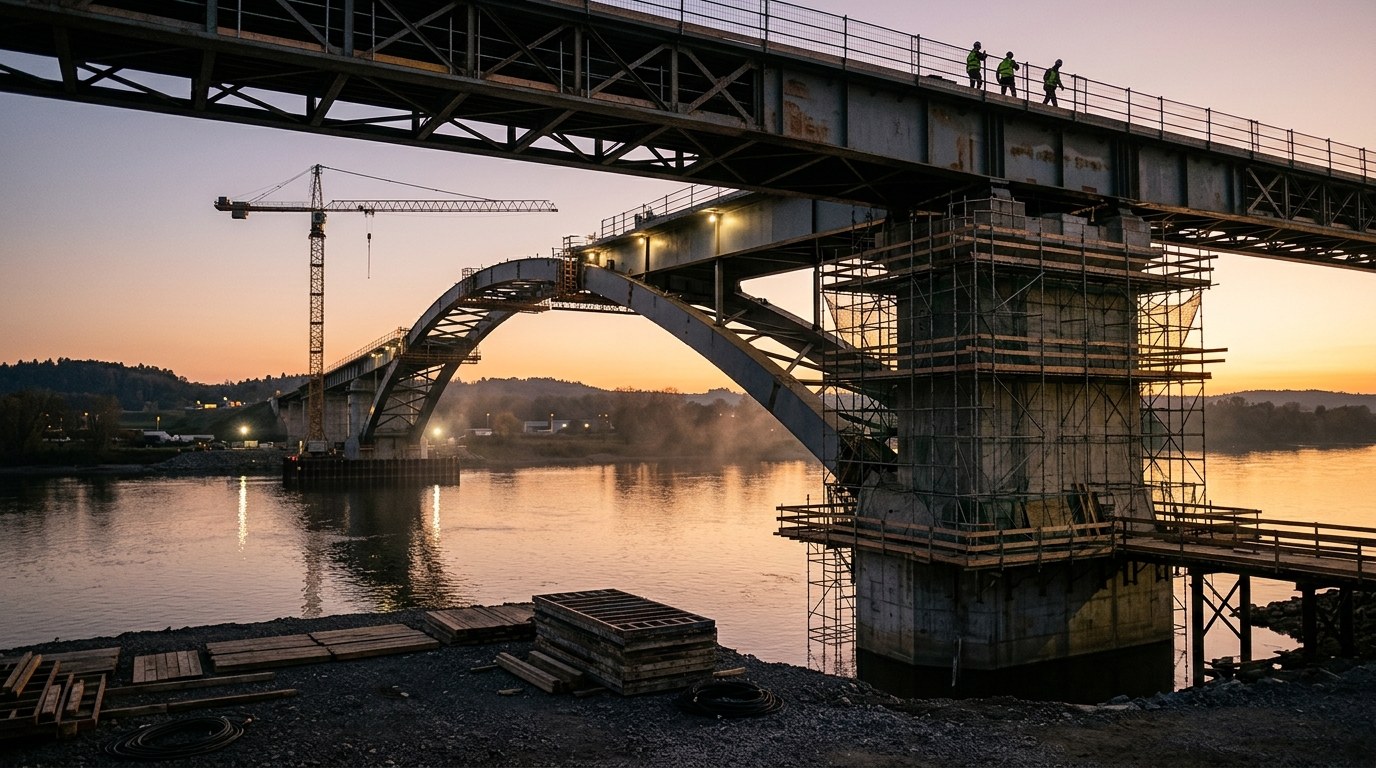
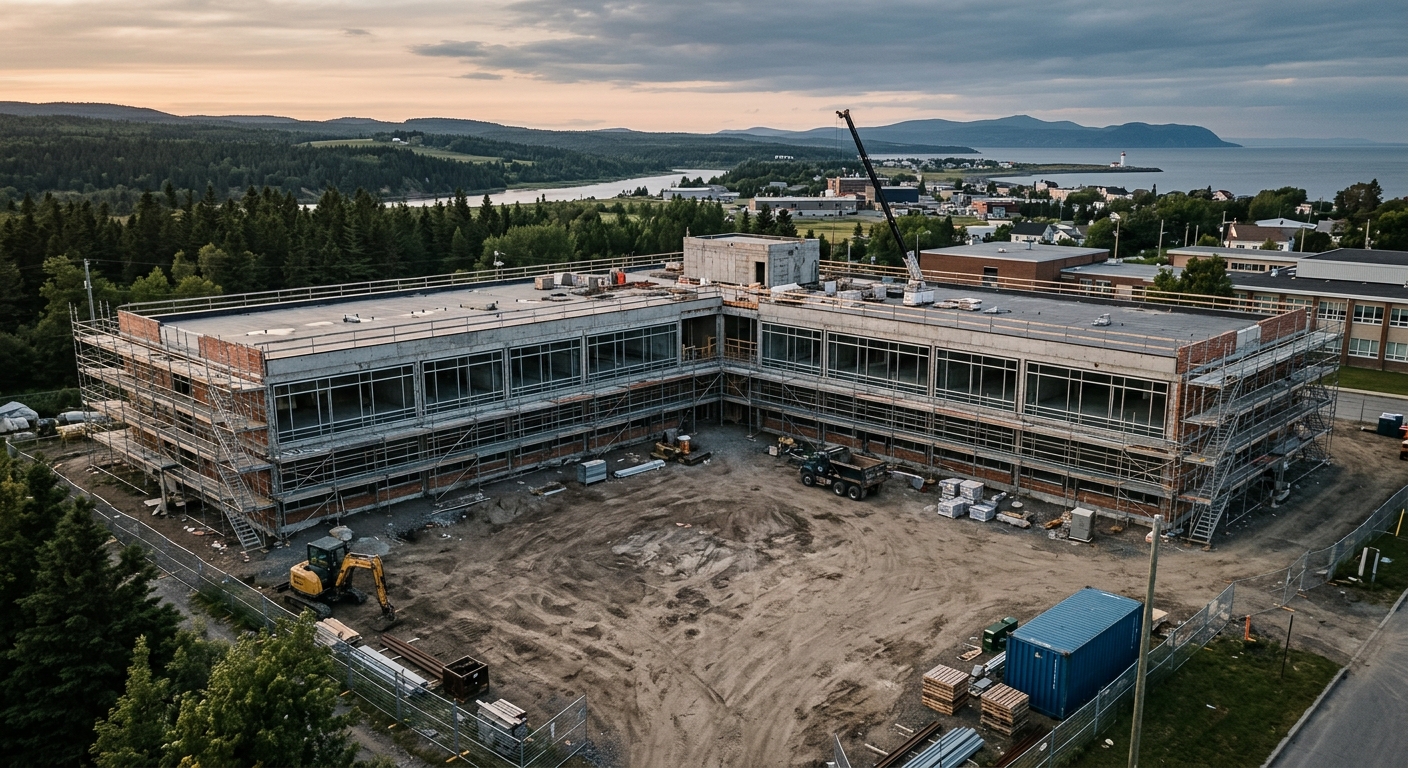
Construction and infrastructure

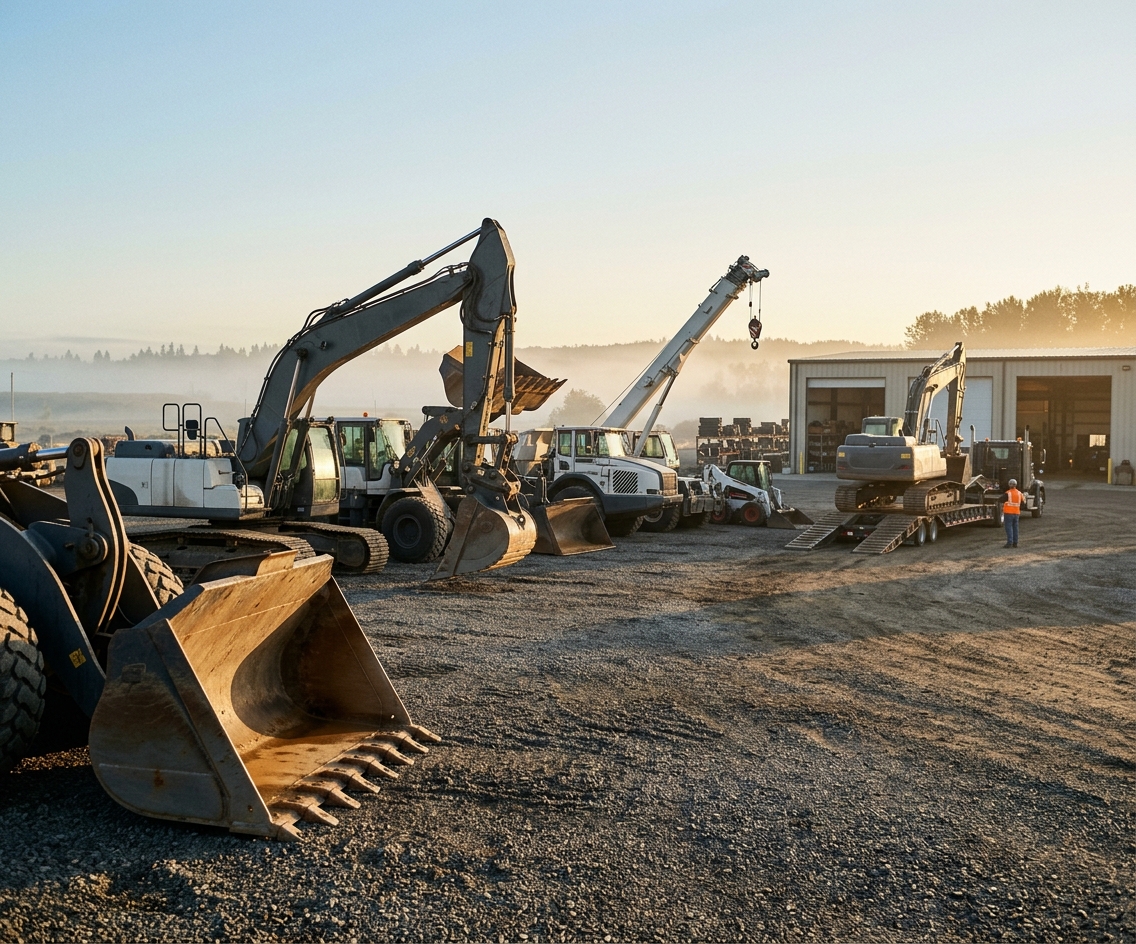
Heavy equipment

Consulting engineering

Defense

Mining and natural resources

Energy

Batteries and solar lighting

Electric mobility

Technology

Healthcare

Manufacturing

Agri-food

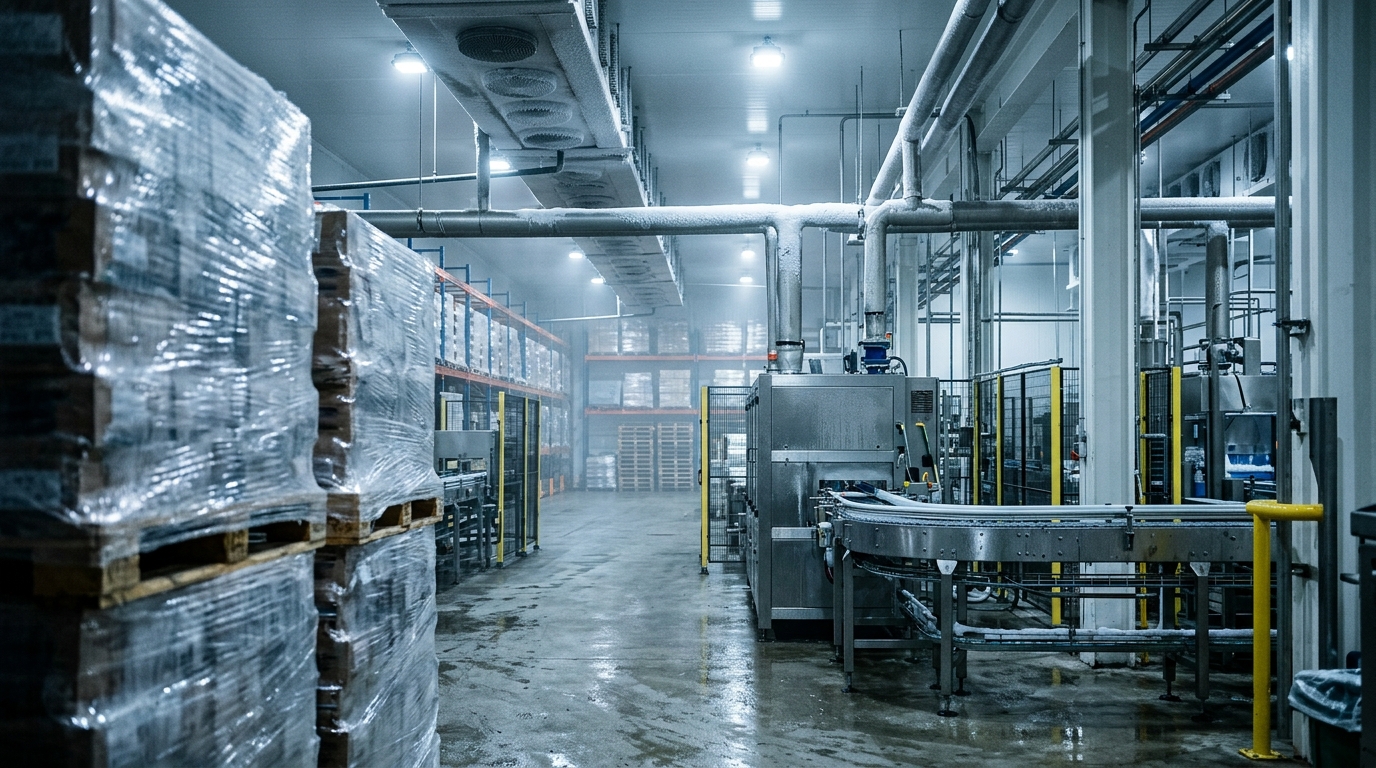
Food processing and refrigeration

Transport and logistics

Cosmetics

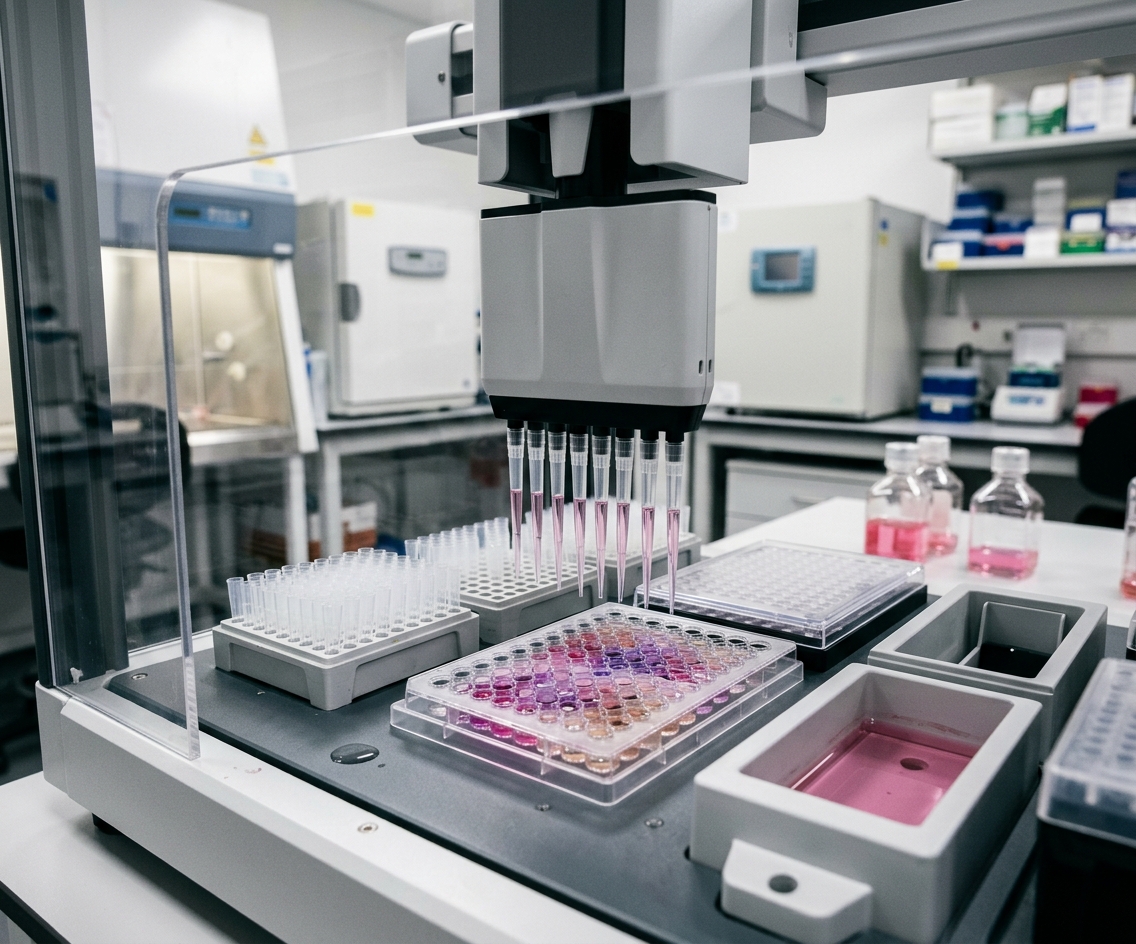
Biotechnology

Biodiversity and conservation

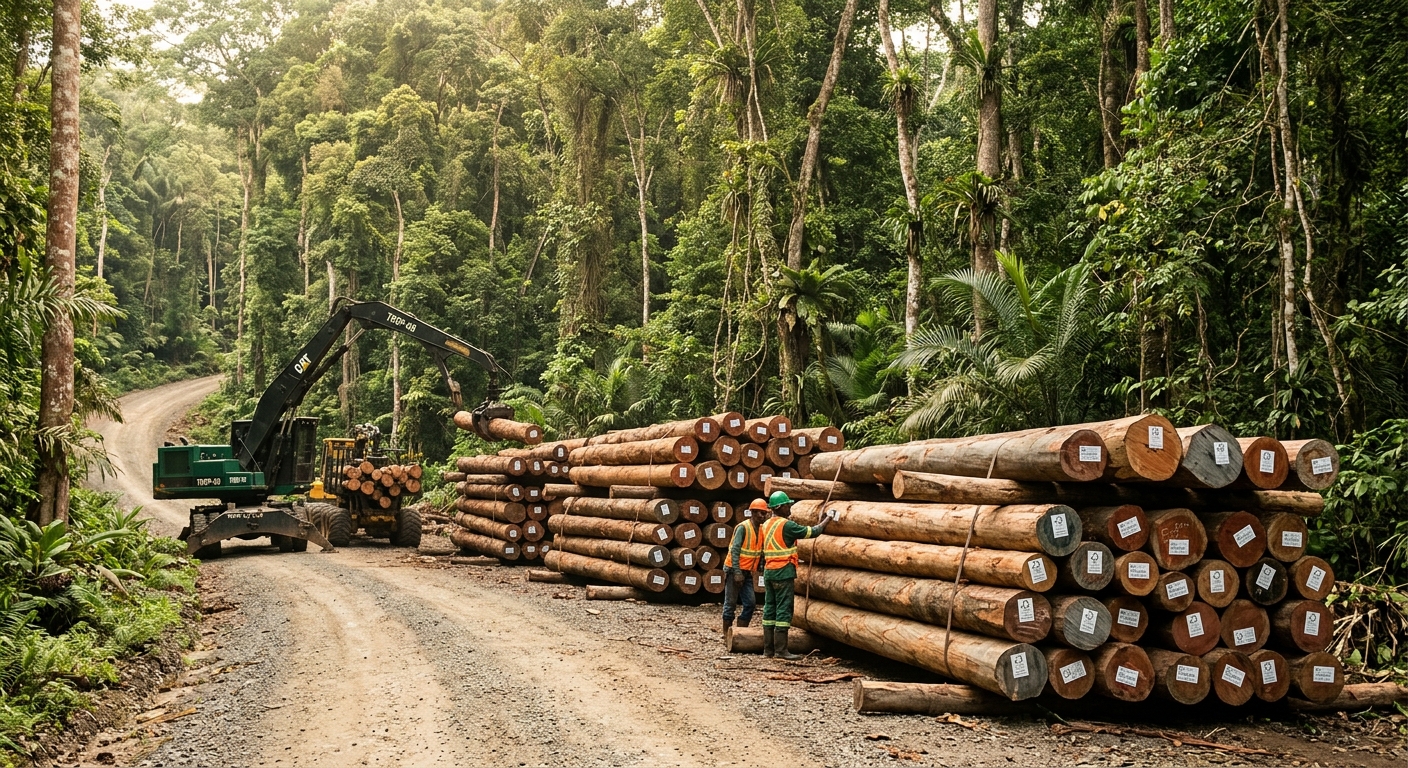
Tropical forestry

Non-timber forest products

Education

Urban planning and local government

Industrial machinery and pumps

Hospitality and tourism

Real estate

Import and export

Renewable energy

Construction and infrastructure

Heavy equipment

Consulting engineering

Defense

Mining and natural resources

Energy

Batteries and solar lighting

Electric mobility

Technology

Healthcare

Manufacturing

Agri-food

Food processing and refrigeration

Transport and logistics

Cosmetics

Biotechnology

Biodiversity and conservation

Tropical forestry

Non-timber forest products

Education

Urban planning and local government

Ready to move your project forward?

Describe in a few lines where you stand: a market to open, financing to structure, an organization to transform.

Write to us

info (at) sild.ca